
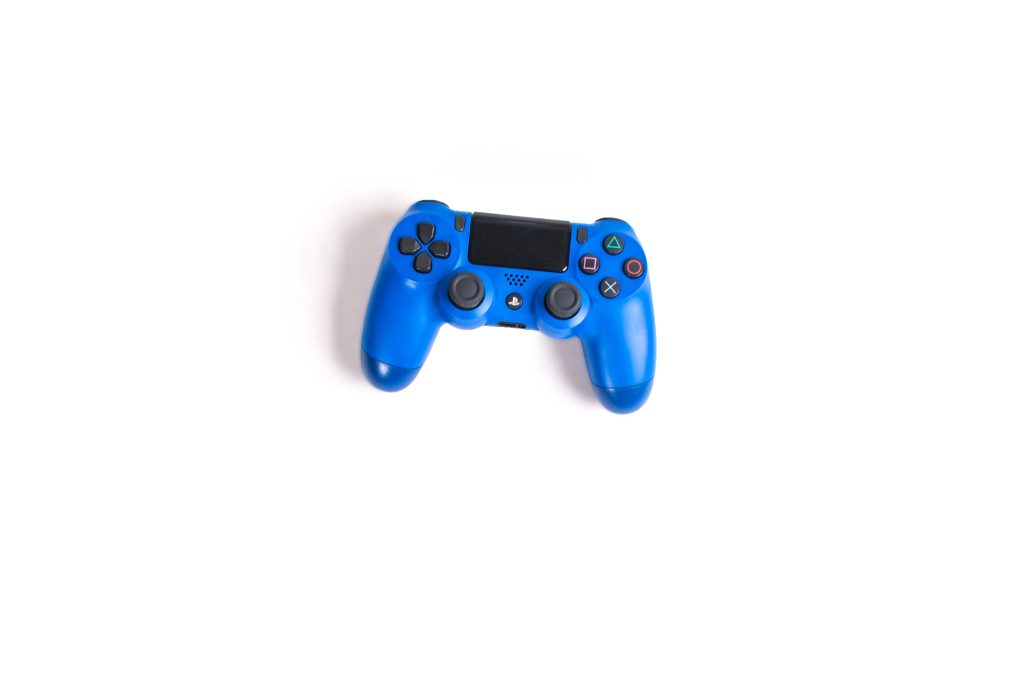
Touchscreens and motion cameras once looked set to replace traditional pads, yet the handheld controller keeps evolving instead of fading away. Pressure-sensitive triggers, gyro aiming, and micro-switch back paddles now appear even on mid-range models, turning a simple set of buttons into a precision tool. Haptic motors reproduce footsteps on different surfaces, and adaptive triggers mimic bowstrings tightening. The humble gamepad has quietly become a piece of high-end tech that rivals any other component in a modern setup.
Competitive ladders on casino x3bet illustrate the shift clearly. Matches hinge on subtle flicks, hair-trigger responses, and recoil patterns that only responsive hardware can deliver. A well-tuned pad no longer feels like a luxury; for many ranked participants it stands as essential gear, comparable to a high-refresh monitor or a low-latency router.
From Digital Clicks to Analogue Nuance
Early consoles shipped with controllers that offered little more than on–off signals. A jump button either fired or stayed silent, and joystick movement translated into coarse eight-way directions. Adding analogue sticks transformed character motion, allowing gentle walks or full sprints without menu sliders. Pressure curves continued to improve as hall-effect sensors replaced carbon pads, removing dead zones and extending lifespan.
Milestones in Controller Evolution
- Analogue Revolution
Introduction of dual sticks provided full 360-degree motion and camera control that defined modern 3D navigation. - Rumble Feedback
Vibration packs turned damage, explosions, and ambient cues into tactile sensations, deepening immersion. - Wireless Freedom
Infrared experiments soon gave way to Bluetooth and proprietary 2.4 GHz links, cutting living-room cable clutter. - Gyro Aiming
Motion sensors enabled subtle wrist corrections, blending mouse-like precision with couch comfort. - Trigger Adaptation
Variable resistance motors created context-sensitive pull weights, enriching weapon variety and driving realism.
Ergonomics Backed by Biomechanics
Industrial designers lean on MRI studies and pressure-mapping data to refine shell contours. Button heights now complement average thumb reach, while textured grips manage sweat during marathon sessions. Weight balance receives equal attention; batteries shift toward the palm to reduce fatigue. Such tweaks sound minor yet compound into a pad that disappears in hand, letting focus shift entirely toward on-screen goals.
Advances extend beyond plastic. Recycled aluminium frames increase rigidity without extra grams. UV-cured coatings resist skin oil buildup, preserving tactile consistency for competitive play. Every detail aims to shorten reaction windows between impulse and action.
Beyond the Basics: Added Intelligence
Micro-controllers inside modern pads handle latency-saving tricks such as asynchronous polling and local macro storage. Input never waits for the console’s next frame; instead, signals queue at sub-millisecond speed. Cloud-based profiles sync remaps between devices, so a custom layout follows its owner from living room to tournament venue.
Artificial intelligence also plays a role. Some premium units ship with companion apps that analyse play style, then suggest stick tension or trigger throw adjustments. Adaptive profiles shift automatically when a racing game launches after a shooter, altering dead zones without manual menu diving.
Cutting-Edge Features Shaping Today’s Gamepads
- Hall-Effect Sticks – Magnet-based sensing removes physical wear, ending drift complaints and boosting accuracy.
- Modular Components – Swap-in thumb caps, D-pads, and even button clusters tailor fit for different genres.
- Edge Lighting Telemetry – LEDs flash cooldown timers or health warnings, freeing on-screen real estate.
- Dual-Layer Haptics – Low-frequency rumble pairs with high-frequency actuators for texture simulation such as gravel versus mud.
- Low-Power Bluetooth LE – Longer life per charge without sacrificing polling speed.
Accessibility Drives Innovation
Regulatory guidelines and community advocacy push manufacturers to break one-size-fits-all assumptions. Button clusters detach and reposition for single-hand operation; voice chat shortcuts map to paddles for players with limited speech. High-contrast skins aid low-vision gamers, while tactile indicators guide finger placement without constant eye reference. Improving access often produces benefits for everyone, making control more intuitive even for experienced audiences.
Software Meets Hardware
Modern engines expose granular settings: separate sensitivity curves for vertical and horizontal axes, trigger hysteresis sliders, and motion-aim scaling. Developers integrate controller telemetry directly into game logic, allowing adaptive difficulty that reads grip pressure or rapid stick snaps as signs of frustration. The result feels like a dialogue between title and player rather than a rigid test of memorised patterns.
Cross-platform ecosystems further boost relevance. A single USB-C pad now hops between console, PC, tablet, and even phone without driver hunts. Cloud services recognise vendor IDs instantly, loading saved bindings stored in profile tokens. Hardware longevity improves because a new device purchase no longer forces controller retirement.
Looking Forward
Emerging prototypes experiment with force feedback in joysticks, bending shafts slightly under virtual wind or weapon sway. Flexible OLED strips along grips plan to display contextual icons, while biodegradable polymers promise greener end-of-life recycling. Brain–computer interface ports sit on the distant horizon, yet incremental refinement shows no sign of slowing.
Closing Thoughts
Controllers evolved from simple plastic shells into sophisticated extensions of human intention. Precision engineering, smart firmware, and inclusive design converge to erase friction between thought and action. Whether guiding a hero through mythic quests or chasing leaderboard glory on casino x3bet, today’s pad offers a level of nuance earlier generations could barely imagine. Future iterations will push boundaries further, but even now the modern game controller stands as a testament to how far interactive hardware can advance when comfort and competition share equal priority.