

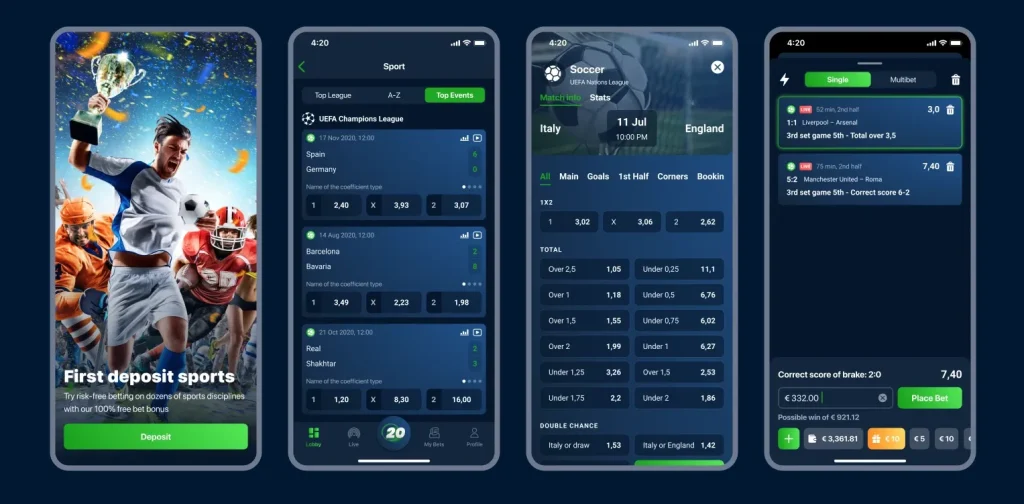
Mobile betting apps are no longer just digital versions of a paper slip. They’ve grown into full-scale platforms with live odds, in-play options, side games, and layered bonuses running in the background. As everything became more complex, expectations did too.
Top-tier apps are not the ones that simply cram in the most features. They’re the ones that feel calm and understandable, even when a lot is happening. Screens are easy to scan, actions are obvious, and the user always knows what just changed and why. Clear paths, consistent navigation, and straightforward messages now do more to build trust than any flashy banner.
People notice that. They judge an app by how simple it is to place a bet, check a balance, or claim an offer – not only by the size of the promo. In practice, creating a “better betting app” means first creating a smoother, more respectful experience for the person holding the phone.
How Deposit Flows and Offer Screens
A smooth first deposit flow instantly builds trust. When the path from “Add funds” to confirmation is clear, tidy, and quick, people feel relaxed instead of tense. In that kind of experience, far fewer users even feel the need to type is parimatch app safe into a search bar, because the product quietly answers that question through predictable, well-structured steps. The same logic applies to bonuses. When welcome offers and extra rewards are explained in simple, structured language, users can calmly decide whether they want them, without pressure or confusion.
A well-designed deposit journey also keeps payment methods organized without overwhelming the screen. Familiar logos, clear labels, and helpful hints guide users through cards, wallets, UPI, and other options in a straightforward way. Transparent numbers – deposit amount, minimums, potential bonus value, and any time limits – remove guesswork. Visual cues like progress bars, before/after balances, and clear confirmation states show exactly what changed. In this setting, the first deposit feels like a controlled, safe step rather than a stressful risk, and users are much more willing to explore the rest of the app.
Navigation Patterns That Keep Complex Betting Apps Surprisingly Simple
The more features a betting app offers, the more structure it needs. Thinking in terms of isolated screens is not enough. A strong experience starts with a clear backbone – a main hub, distinct sections, and stable tabs that give users a mental map. When this structure is present, the app feels like one connected space instead of a stack of separate pages.
Consistent navigation patterns help the brain remember where things live. After a few visits, users start to predict where sports, live events, casino games, and account tools will be. That familiarity reduces friction and keeps attention on decisions, not on orientation.
Some navigation patterns work especially well in busy betting apps:
- A “Home + Sports + Live + Casino” layout that acts as a simple, memorable frame.
- “Top events” and “Recently viewed” blocks that allow quick returns without long searches.
- Contextual jumps from promotional banners straight into a specific match or game.
- Filters and search that respond quickly and keep screens clean while refining options.
- Clear paths back from deep event pages to the main hub, so users never feel trapped.
When these patterns are applied with care, even a feature rich app can feel easy to move through.
Performance, Feedback, and Calm: How Top Apps Maintain Flow Under Load
A strong structure loses its value if the app feels sluggish. Well optimized screens, light animations, and short loading states all support a sense of control. When a user taps, the interface should respond quickly, even during peak traffic. Smooth transitions keep the story of what is happening intact. Slow or uneven reactions break that story and make the experience feel unreliable.
Microfeedback turns small interactions into reassuring signals. Highlighted buttons show that a tap was registered. A subtle change of state, such as a bet slip sliding into view, confirms progress. Short, clear confirmations after deposits, cash-outs, or stake changes remove doubt. These details are tiny on their own, yet together they create a calm rhythm.
Handling problems gracefully is just as important. Payment declines, region limits, or time-based restrictions happen in any serious platform. The difference is in how they are shown. Instead of abrupt error codes, thoughtful apps explain what went wrong, offer alternative options, or guide users back to a familiar screen. This “fail soft” approach protects the mental model. People understand the situation without feeling blocked or punished by the interface.
Comfortable By Design: Why Thoughtful Structure Keeps Users Coming Back
A betting app with many sections, markets, and features can still feel light if the underlying structure is well-designed. Clear grouping of content, predictable navigation, and consistent visual patterns turn a dense product into something that feels approachable. Users do not need a tutorial every time they open the app. They recognize the layout, trust the flows, and move directly to the actions they care about.
Predictable journeys also reduce mental fatigue. When the app behaves the same way across different sports, games, or promos, there is less need to constantly re-learn controls. That stability lowers drop-offs and encourages exploration. New features feel like extensions of an existing system, not like foreign objects bolted on top.
In the long run, the strongest betting apps succeed because of this internal architecture. The visual noise can change, odds can update, and promotions can rotate. The structural framework stays steady underneath. That quiet reliability is what allows the platform to grow while still feeling intuitive to everyday users.